

AA complete beginner’s guide to choosing comfortable running shoes, understanding cushioning and support, avoiding common buying mistakes, and finding the right footwear for your running journey.
Starting your running journey is exciting. Whether you’re preparing for your first 5K, trying to improve your health, or simply looking for a new way to stay active, choosing the right running shoes can make a significant difference in your comfort and enjoyment.
But walking into a running store or browsing hundreds of shoes online can quickly become overwhelming.
Should you choose maximum cushioning or lightweight shoes? Do expensive running shoes perform better? Do beginners need special arch support? And how can you tell whether a shoe actually fits correctly?
The good news is that finding suitable running shoes doesn’t have to be complicated.
At GORUN, we believe running should be accessible to everyone, regardless of age, fitness level, or experience. You don’t need professional racing shoes or the latest athletic technology to enjoy running.
What you need is a comfortable, well-fitting pair of shoes suited to your body, preferences, and running environment.
This guide explains what beginners should look for, which features matter most, and how to avoid spending money on footwear that doesn’t meet your needs.
1. Why Choosing the Right Running Shoes Matters
Running involves repeated contact between your feet and the ground. Each stride places forces on your feet, ankles, knees, and other parts of your body.
Running shoes are designed to accommodate these movements while providing cushioning, traction, and a secure fit.
A comfortable pair of running shoes can help reduce rubbing, pressure points, and other footwear-related discomfort.
However, it’s important to understand that no running shoe can guarantee injury prevention.
Running injuries depend on several factors, including training volume, recovery, individual biomechanics, previous injuries, and how quickly you increase activity.
The purpose of selecting appropriate shoes is to find footwear that feels comfortable, fits securely, and works well for the type of running you plan to do.
For most beginners, comfort and fit should take priority over marketing claims or expensive technology.
2. What Type of Running Shoes Should Beginners Buy?
There are several categories of running shoes, but most new runners don’t need specialized footwear.
A versatile everyday running shoe is usually a practical starting point.
These shoes are commonly designed for regular training on sidewalks, paved paths, running tracks, and similar surfaces.
Here’s how common running shoe categories compare.
| Shoe Type | Best For | Beginner Considerations |
|---|---|---|
| Everyday running shoes | Regular jogging and walk-run workouts | A practical first choice |
| Cushioned running shoes | Runners who prefer a softer underfoot feel | Comfort preferences vary |
| Stability running shoes | Runners who feel more comfortable with added guidance or support | Not automatically necessary |
| Trail running shoes | Dirt paths, uneven trails, and off-road running | Look for suitable traction |
| Racing shoes | Faster workouts and competitive events | Usually unnecessary for beginners |
| Minimalist running shoes | Runners seeking less cushioning and a different underfoot feel | Require careful adaptation |
If you’re just beginning with short walk-run sessions, focus on a comfortable everyday running shoe rather than a specialized racing model.
You can explore different styles as your experience and preferences develop.
3. Comfort Is the Most Important Feature
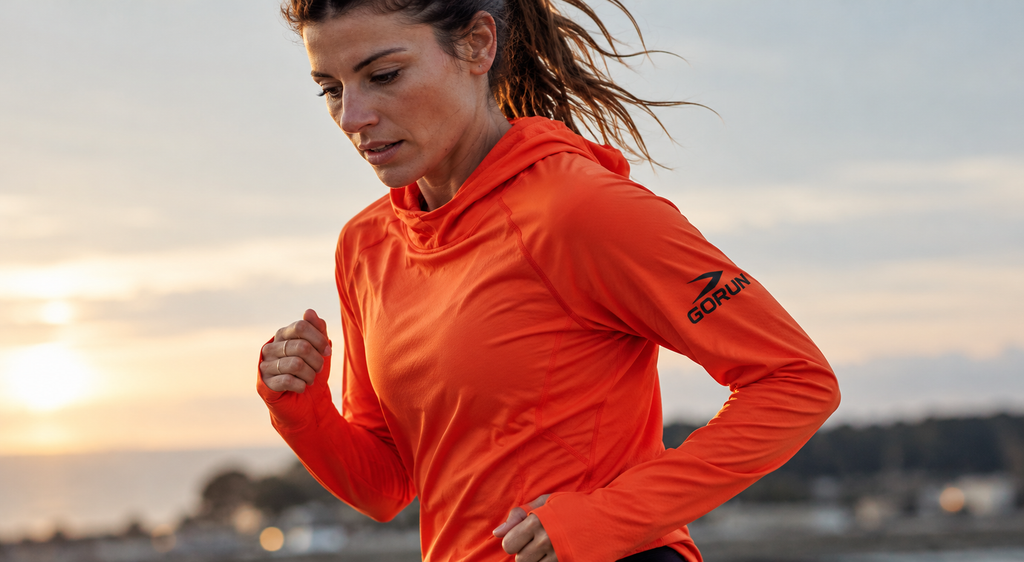
Running shoe advertising often focuses on advanced cushioning systems, energy-return technology, carbon plates, and biomechanical innovations.
Some of these features can influence performance or running experience.
But for beginners, one of the most useful selection criteria is surprisingly simple:
Does the shoe feel comfortable on your foot?
When trying on running shoes, pay attention to how they feel immediately.
Your toes should have room to move naturally. The heel should feel reasonably secure, and the upper should not create painful pressure.
The shoe shouldn’t feel excessively tight around the middle of your foot.
Walk around the store and, when possible, try a short jog.
Don’t assume uncomfortable shoes will automatically become comfortable after several weeks.
Some materials soften with use, but persistent pressure points or an incorrect fit are reasons to try another model.
Your feet are individual, and a shoe that works perfectly for a friend may not be right for you.
4. How Should Running Shoes Fit?
Proper fit is essential for comfortable running.
Many people buy athletic shoes based exclusively on their usual casual shoe size.
However, running shoe sizing can vary between manufacturers and models.
Your feet may also expand slightly during exercise, especially during longer sessions or in warm weather.
When evaluating fit, consider the following:
Toe room: There should generally be some space between your longest toe and the front of the shoe. Approximately a thumb’s width is a common starting guideline, although individual preferences vary.
Width: Your foot should fit comfortably without excessive squeezing along the sides.
Heel fit: Your heel should feel secure without significant slipping or painful rubbing.
Midfoot comfort: The shoe should feel supportive without creating uncomfortable pressure across the top or sides of your foot.
Natural movement: You should be able to walk and jog without feeling that the shoe restricts your normal movement.
Try shoes while wearing the type of socks you plan to use for running.
If possible, shop later in the day, when your feet may be slightly larger.
Most importantly, don’t choose a shoe based only on the number printed inside it.
Choose the fit that feels right.
5. Understanding Running Shoe Cushioning
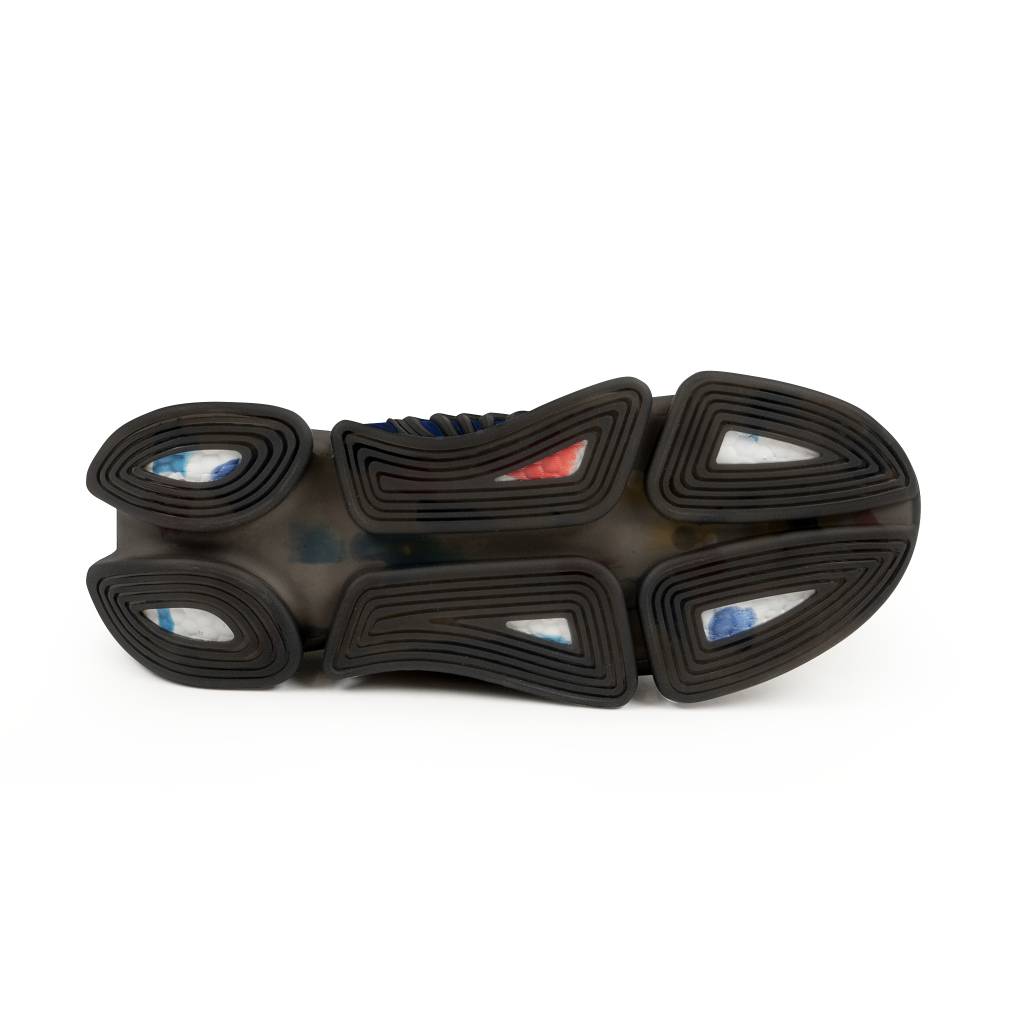
Cushioning is one of the most noticeable features of modern running shoes.
The midsole—the material between your foot and the outsole—helps influence how the shoe feels when it contacts the ground.
Some running shoes provide a soft, plush sensation.
Others feel firmer and more responsive.
Neither option is automatically better for every runner.
Maximum cushioning
These shoes typically have thicker midsoles and may feel especially soft underfoot.
Some runners enjoy this sensation during easy runs and longer walks.
However, thicker cushioning doesn’t necessarily mean a shoe is safer or more comfortable for everyone.
Moderate cushioning
Many everyday running shoes offer a balance between cushioning, flexibility, and stability.
This category can be a useful starting point for beginners.
Minimal cushioning
Shoes with thinner midsoles provide a different ground feel and may change the demands placed on the feet and lower legs.
Transitioning to minimalist footwear should be gradual, particularly for runners accustomed to more cushioned shoes.
GORUN tip: Instead of searching for the shoe with the most cushioning, choose the one that feels most comfortable and natural during movement.
6. Do Beginners Need Stability Running Shoes?
You may have heard terms such as pronation, overpronation, neutral gait, and motion control.
Pronation refers to the natural inward movement of the foot during walking and running.
It’s a normal part of human movement.
Some running shoes include design features intended to influence foot motion or provide a more guided sensation.
These are often called stability shoes.
However, not every runner needs them.
And the appearance of your foot arch alone doesn’t reliably determine which running shoe will prevent injuries.
For many beginners, a comfortable neutral running shoe is a reasonable starting point.
If you experience recurring discomfort, have a history of running-related injuries, or have been advised to use specialized footwear, consider consulting a qualified healthcare professional.
A physical therapist or sports medicine clinician can help assess your individual needs.
Avoid purchasing expensive stability technology simply because an advertisement suggests everyone needs additional support.
7. Road Running Shoes vs. Trail Running Shoes
Where you plan to run should influence your footwear choice.
If most of your workouts take place on sidewalks, paved parks, or running tracks, road running shoes are generally appropriate.
They are designed for relatively predictable surfaces and typically provide traction suited to pavement.
Trail running shoes are intended for less predictable terrain.
They often feature more pronounced outsole lugs for traction on dirt, gravel, mud, or uneven paths.
Some models also include protective materials around the toes or underfoot.
If you regularly run on rocky or slippery trails, appropriate trail footwear may improve comfort and grip.
However, you don’t necessarily need separate shoes for every occasional walk through a park.
Choose footwear based on the surfaces you use most often.
8. Are Expensive Running Shoes Worth It?
Running shoes are available at a wide range of prices.
Premium models may feature advanced foams, lightweight materials, specialized constructions, or performance-oriented designs.
But higher prices don’t automatically translate into greater comfort, better health outcomes, or fewer injuries.
Many beginners can find suitable everyday running shoes without purchasing the most expensive option.
When comparing prices, ask yourself:
- Does the shoe fit comfortably?
- Is it appropriate for my usual running surface?
- Does it feel stable and secure?
- Is the construction suitable for regular use?
- Does the price fit my budget?
A well-fitting, moderately priced shoe can be a better purchase than an expensive model that feels uncomfortable.
Look for genuine value rather than paying for features you may not need.
Remember: You don’t need elite-level equipment to begin your running journey.
9. How Long Do Running Shoes Last?
A common guideline suggests that many running shoes may need replacement after approximately 300–500 miles, or 480–800 kilometers.
However, this is only a broad estimate.
Actual lifespan depends on the shoe’s construction, your body weight, running technique, terrain, frequency of use, and personal comfort.
Some shoes remain comfortable beyond that range, while others may show signs of wear earlier.
Rather than relying exclusively on mileage, monitor how your shoes feel and look.
Potential signs that replacement may be appropriate include:
- Significant outsole wear that affects traction.
- Damaged uppers or structural components.
- Cushioning that feels noticeably different from when the shoes were new.
- Persistent rubbing or discomfort associated with shoe deterioration.
- Loss of a secure fit.
New aches don’t automatically mean your shoes are worn out, so consider changes in training and other possible causes.
If you’re experiencing persistent pain, reduce activity and seek appropriate professional guidance.
10. Common Running Shoe Mistakes Beginners Should Avoid
Buying your first running shoes should be an enjoyable experience.
Unfortunately, several common mistakes can lead to unnecessary expense or discomfort.
Choosing shoes based only on appearance
Colors and design matter, but fit and comfort should come first.
Buying shoes that are too small
Insufficient toe room can contribute to pressure, rubbing, and toenail discomfort.
Assuming expensive means better
Premium pricing doesn’t guarantee a better fit for your feet.
Copying another runner’s footwear
A shoe that works for an experienced runner may not match your preferences or needs.
Ignoring running surfaces
Footwear designed for smooth pavement may not provide appropriate traction on muddy or rocky trails.
Changing footwear styles too abruptly
Switching to a substantially different shoe, particularly a minimalist model, can change the demands placed on your muscles and tendons.
Introduce unfamiliar footwear gradually.
Believing shoes can replace proper training
Even excellent running shoes cannot compensate for excessive training loads, inadequate recovery, or ignoring persistent pain.
Good footwear supports your running journey, but consistent, sensible training remains essential.
11. What Else Do Beginners Need Besides Running Shoes?
You don’t need much equipment to start running.
In addition to comfortable footwear, consider a few basic essentials.
Breathable running clothing: Choose clothing that allows freedom of movement and feels comfortable in your local climate.
Running socks: Well-fitting socks can help reduce friction and improve comfort.
Weather protection: Depending on conditions, a cap, sunscreen, or lightweight jacket may be useful.
Water: For longer sessions or hot weather, plan appropriate access to hydration.
Visibility accessories: If you run near traffic or in low-light conditions, reflective clothing and suitable lighting can improve visibility.
A smartwatch or running app can be helpful, but neither is necessary.
You can begin running without tracking every step, calorie, or kilometer.
At GORUN, we believe equipment should make movement easier and more enjoyable—not create unnecessary barriers to participation.
12. Your First Running Shoes Are Just the Beginning
Once you’ve found comfortable footwear, the next step is developing a simple running routine.
If you’re completely new to running, begin with walking.
When you can comfortably walk for approximately 30 minutes, consider introducing short jogging intervals.
For example:
- Walk for five minutes to warm up.
- Jog gently for one minute.
- Walk for two minutes.
- Repeat six times.
- Finish with five minutes of easy walking.
Complete this workout two or three times per week, allowing recovery between sessions.
As your fitness develops, gradually increase the jogging intervals.
You don’t need to run continuously during your first week.
You don’t need to run fast.
And you certainly don’t need to compare yourself with experienced runners.
Your shoes are there to support your movement, but your progress comes from patience, consistency, and enjoying the process.
Frequently Asked Questions About Running Shoes for Beginners
What are the best running shoes for beginners?
The best running shoes for beginners are comfortable, properly fitted, and suitable for their usual running surfaces. Versatile everyday running shoes are often a practical starting point. No single model is best for everyone.
Should beginner running shoes have lots of cushioning?
Not necessarily. Some beginners prefer soft, highly cushioned shoes, while others feel more comfortable in moderately cushioned models. The ideal choice depends on fit, comfort, and personal preference.
Can I start running in regular sneakers?
Some athletic sneakers may be suitable for occasional short jogs, but shoes designed for running are generally a more practical choice for regular training. Avoid footwear that feels unstable, restrictive, or uncomfortable.
How much should beginners spend on running shoes?
There is no universal minimum price. Beginners should prioritize comfort, appropriate construction, and fit rather than purchasing the most expensive model. Midrange or discounted running shoes can offer good value.
Do running shoes prevent injuries?
No running shoe guarantees injury prevention. Appropriate footwear may improve comfort, but training progression, recovery, previous injuries, and individual factors also influence injury risk.
Should running shoes be a size bigger?
Running shoes should provide adequate toe room, but that doesn’t always mean buying a full size larger. Sizes vary between brands. Try shoes on and choose the fit that allows comfortable movement without excessive slipping.
Can I use the same shoes for walking and running?
Yes. Many everyday running shoes are also comfortable for walking. If you regularly alternate walking and jogging, a versatile running shoe can be a practical option.
Final Thoughts: Find Your Fit, Then Find Your Pace
Choosing your first running shoes doesn’t have to be complicated.
Forget the pressure to buy the latest technology, follow every trend, or wear the same shoes as professional athletes.
Instead, focus on comfort, proper fit, appropriate footwear for your running environment, and a price that works for you.
The right pair of shoes should help you feel confident enough to get outside and enjoy moving.
And once you’ve found them, remember that your running journey is about much more than footwear.
It’s about discovering healthier habits, building confidence, enjoying movement, and connecting with people who share your goals.
At GORUN, we believe everyone deserves to experience the joy of running.
Whether you’re walking your first mile, jogging around your neighborhood, or preparing for your first 5K, you belong.
Your shoes don’t define you as a runner. Your journey does.
Join GORUN Running Club — It’s Free!
Ready to take your first steps?
Join our growing global community of walkers, beginners, and recreational runners.
Discover beginner-friendly courses through GORUN Academy, participate in community discussions and challenges, and connect with people who share your passion for healthier living.
JOIN THE FREE GORUN RUNNING CLUB
Your Pace. Your People. Your Running Club.
Every Body. Every Pace. Every Continent.
JUST GORUN!
References and Further Reading
American Podiatric Medical Association: https://www.apma.org/oin faucibus nec mauris a sodales, sed elementum mi tincidunt. Sed eget viverra egestas nisi in consequat. Fusce sodales augue a accumsan. Cras sollicitudin, ipsum eget blandit pulvinar. Integer tincidunt. Cras dapibus. Vivamus elementum semper nisi. Aenean vulputate eleifend tellus. Aenean leo ligula, porttitor eu, consequat vitae, eleifend ac, enim.
American College of Sports Medicine: https://www.acsm.org/
American Academy of Podiatric Sports Medicine: https://www.aapsm.org/
American Academy of Orthopaedic Surgeons: https://orthoinfo.aaos.org/