


YThink you’re too old to start running? Think again. Discover how to begin safely, improve your fitness, and enjoy the physical, mental, and social benefits of running at any age.
Have you ever watched someone jogging through a park and thought, “I wish I had started running when I was younger”?
Perhaps you’re in your 40s and haven’t exercised regularly in years. Maybe you’re approaching retirement and want to become more active. Or perhaps you’ve always enjoyed walking but never imagined yourself becoming a runner.
Here’s something important to remember: there is no universal age limit for starting to run.
Running isn’t reserved for teenagers, competitive athletes, or people who have exercised their entire lives. Many adults discover running later in life and find that it becomes one of their favorite ways to stay active, improve their wellbeing, and connect with others.
Of course, starting at 50 or 60 may require different considerations than starting at 20. Your current health, fitness, mobility, and recovery needs matter more than your age alone.
At GORUN, we believe movement should be accessible to everyone.
Whether you’re taking your first steps toward a healthier lifestyle or returning to running after decades away, there’s a place for you.
Let’s explore how to start running later in life, what benefits you can expect, and how to build a sustainable routine that works for your body.
1. Can You Really Start Running After 40, 50, or 60?
Yes. Many adults can begin running safely in their 40s, 50s, 60s, and beyond, provided their health and physical capabilities allow it.
There is no single age at which someone automatically becomes too old to run.
However, age-related changes can influence how your body responds to exercise.
As we get older, we may experience changes in muscle mass, bone density, joint mobility, cardiovascular fitness, and recovery capacity.
These changes don’t mean running is impossible.
They simply reinforce the importance of gradual progression, appropriate strength training, and adequate recovery.
Someone who has been walking regularly for years may adapt to jogging more easily than a younger person who has been completely inactive.
Likewise, a healthy 65-year-old with a history of physical activity may have greater endurance than a sedentary 35-year-old.
Your starting point matters more than the number on your birthday cake.
If you have cardiovascular disease, significant joint problems, unexplained symptoms, or other medical concerns, seek individualized guidance before beginning a running program.
2. The Health Benefits of Running Later in Life
Regular physical activity becomes especially valuable as we age.
Running, when appropriate for the individual, can contribute to several important aspects of healthy living.
Better cardiovascular fitness
Running challenges your heart and lungs, helping improve aerobic endurance.
Regular physical activity is associated with a reduced risk of cardiovascular disease and can support healthy blood pressure.
You don’t need to run long distances to experience cardiovascular benefits.
Short, manageable jogging sessions can contribute to your overall activity routine.
Stronger muscles and bones
Running engages the muscles of your legs and core while providing weight-bearing activity.
This can support muscular endurance and bone health, although individual results vary.
Combining running with strength training is particularly valuable for maintaining physical function as you age.
Improved mental wellbeing
Physical activity can help reduce symptoms of anxiety and depression and support a more positive mood.
Running may also provide time outdoors, opportunities for relaxation, and a sense of personal achievement.
Better everyday endurance
As your fitness improves, activities such as walking uphill, climbing stairs, or exploring a new city may feel easier.
Social connection
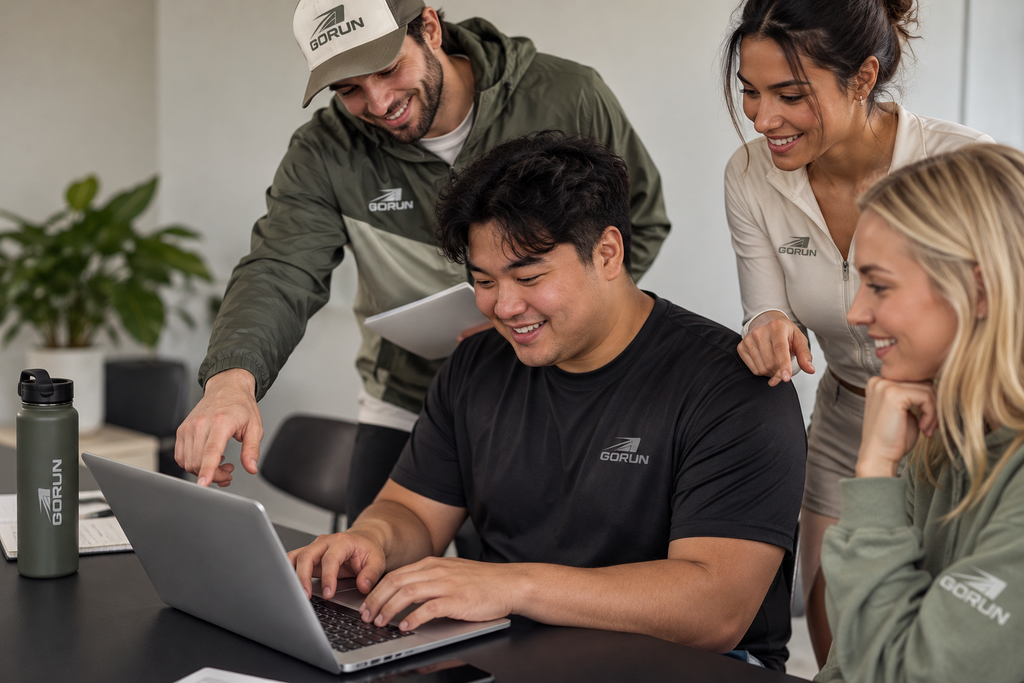
Joining a running club can introduce you to new friends and shared experiences.
For adults experiencing changes in work, family responsibilities, or retirement, these connections can become especially meaningful.
At GORUN, we believe these benefits should be available to people of every generation.
3. Start With Walking Before Running
If you haven’t exercised consistently in several years, the best first step may be walking.
Walking is accessible, generally lower impact than running, and easy to adapt to your current fitness level.
Begin with a comfortable duration.
For some people, that might be ten minutes. Others may already be able to walk for 30–45 minutes without difficulty.
Gradually increase your walking time until you can comfortably complete approximately 30 minutes.
You can also introduce brisk walking intervals to gently challenge your cardiovascular system.
Once walking feels comfortable and your health allows it, consider adding short jogging intervals.
For example:
- Walk comfortably for five minutes.
- Jog gently for 30 seconds.
- Walk for two minutes.
- Repeat five or six times.
- Finish with five minutes of easy walking.
This approach allows you to experience running without immediately attempting a continuous workout.
And if you decide that walking is the activity you enjoy most, that’s perfectly fine.
You don’t have to become a runner to benefit from movement or belong to a running community.
4. Your First Four Weeks of Running After 40
A gradual walk-run program can help you build confidence and endurance.
The following example is designed for generally healthy adults who can already walk comfortably for 30 minutes and have no medical reason to avoid jogging.
It is not a race-training schedule or a guarantee of fitness improvement within a specific timeframe.
| Week | Workout | Frequency |
|---|---|---|
| Week 1 | Walk 2 minutes, jog 30 seconds. Repeat 6 times. | 3 days |
| Week 2 | Walk 2 minutes, jog 1 minute. Repeat 6 times. | 3 days |
| Week 3 | Walk 2 minutes, jog 90 seconds. Repeat 6 times. | 3 days |
| Week 4 | Walk 2 minutes, jog 2 minutes. Repeat 6 times. | 3 days |
Begin each session with five minutes of comfortable walking and finish with another five minutes of easy walking.
Allow at least one recovery day between running sessions.
If any week feels too challenging, repeat it or reduce the jogging intervals.
Some people may need eight or twelve weeks to progress through this schedule.
That’s completely acceptable.
The goal is to build a routine you can maintain without unnecessary discomfort or exhaustion.
5. Why Running Slowly Is Especially Important
One of the biggest mistakes new runners make is assuming that running should always feel difficult.
They begin jogging too quickly, become breathless, and conclude that they’re simply not fit enough to run.
But running doesn’t need to be fast.
In fact, maintaining an easy pace is particularly useful when building endurance.
Try using the talk test.
While jogging, you should generally be able to speak a complete sentence without struggling for breath.
If you’re gasping, slow down or take a walking break.
Your pace may be only slightly faster than walking.
That’s still running.
Over time, your endurance may improve, allowing you to jog longer while maintaining a comfortable effort.
Forget about competing with younger runners or comparing your pace with someone else’s fitness app.
At GORUN, we believe every pace deserves respect.
6. Protect Your Joints With Smart Training

A common concern among older beginners is whether running will damage their knees.
Running creates greater impact forces than walking, but that doesn’t automatically mean it damages healthy joints.
Research has not established that recreational running necessarily increases the risk of knee osteoarthritis in otherwise healthy individuals.
However, joint health varies significantly between people.
Existing arthritis, previous injuries, pain, and mobility limitations can influence whether running is comfortable or appropriate.
To manage the demands of running:
- Increase your jogging time gradually.
- Choose comfortable, properly fitted shoes.
- Avoid sudden increases in distance or speed.
- Include recovery days.
- Strengthen the muscles supporting your hips, knees, and ankles.
- Adjust your training when discomfort develops.
Mild muscle soreness after unfamiliar exercise can be normal.
Sharp pain, swelling, persistent joint discomfort, or changes in your normal walking pattern should not be ignored.
If these symptoms occur, reduce activity and seek appropriate professional guidance.
Running should support your health, not become a constant source of pain.
7. Strength Training Becomes Even More Valuable With Age
Running improves aerobic fitness, but it shouldn’t be your only form of exercise.
Strength training is particularly important for adults as they age because it helps maintain muscle strength, mobility, and physical function.
You don’t need to become a bodybuilder or lift extremely heavy weights.
Simple exercises can be effective when performed with appropriate technique and progression.
Consider movements such as:
Chair squats: Practice sitting down and standing up from a stable chair.
Calf raises: Strengthen the muscles of your lower legs.
Step-ups: Use a low, stable step to develop leg strength and balance.
Glute bridges: Strengthen the muscles around your hips.
Wall push-ups: Build upper-body strength using a manageable resistance level.
Balance exercises: Practice standing on one leg while holding a stable support if necessary.
The World Health Organization recommends muscle-strengthening activities involving major muscle groups on at least two days per week for adults.
Older adults may also benefit from multicomponent activities emphasizing balance and functional strength.
If you’re new to resistance training, consider professional instruction to learn appropriate techniques.
8. Recovery Is Part of Your Running Progress
When you’re excited about starting a new fitness routine, it’s tempting to exercise every day.
But recovery is essential.
Your muscles, tendons, bones, and cardiovascular system need time to adapt to unfamiliar physical demands.
This is particularly important if you’ve been inactive for a long period.
For beginners, running two or three nonconsecutive days per week may be sufficient.
On other days, you can enjoy walking, cycling, swimming, or gentle mobility exercises.
Pay attention to sleep, hydration, and balanced nutrition.
If you’re unusually fatigued or experiencing persistent soreness, consider reducing your training load.
Recovery needs vary among individuals and aren’t determined by age alone.
Some older adults tolerate frequent exercise very well, while others benefit from longer recovery periods.
The important thing is listening to your body and adjusting your routine accordingly.
9. What Running Shoes Should Older Beginners Choose?
You don’t need specialized running shoes simply because you’re over 40, 50, or 60.
The same basic principles apply to runners of all ages.
Look for shoes that:
- Fit comfortably without squeezing your toes.
- Provide a secure heel fit.
- Feel stable during walking and jogging.
- Offer cushioning that suits your preferences.
- Have appropriate traction for your usual running surfaces.
Don’t assume that maximum cushioning or expensive stability technology is automatically better.
Comfort and individual needs should guide your choice.
If you have significant foot deformities, recurring pain, or medical conditions affecting your feet, professional footwear advice may be useful.
A comfortable pair of shoes can make running more enjoyable, but no shoe guarantees injury prevention.
Your training habits and recovery remain equally important.
10. Running Can Help You Build New Friendships
One of the most overlooked benefits of running later in life is the opportunity to connect with others.
Joining a running club isn’t just about exercise.
It’s about meeting people, sharing experiences, discovering new places, and becoming part of a community.
Imagine joining a weekend group where some members are walking, others are jogging, and everyone is enjoying the experience together.
You don’t have to compete.
You don’t have to prove anything.
You simply show up and participate at a level that works for you.
For people entering a new stage of life, whether through retirement, career changes, or personal transitions, these social opportunities can be especially rewarding.
This is part of the vision behind GORUN Running Club.
We want to bring together walkers, beginners, recreational runners, and experienced runners from different generations and backgrounds.
Because the joy of movement becomes even greater when shared.
11. Set Goals That Inspire You
You don’t need to train for a marathon to become a successful runner.
Your goals should reflect your interests, fitness level, and lifestyle.
Some meaningful beginner goals include:
- Walking for 30 minutes without feeling exhausted.
- Completing your first five-minute continuous jog.
- Participating in three workouts per week.
- Joining a local walking or running group.
- Completing a community 5K using walking and jogging intervals.
- Exploring new parks or running routes.
- Improving your endurance for everyday activities.
Choose goals that feel achievable and personally rewarding.
If your progress slows, remember that fitness improvements aren’t always linear.
Illness, travel, work responsibilities, and other life events can temporarily interrupt your routine.
That’s normal.
The goal isn’t perfection.
It’s creating an active lifestyle that you can return to and enjoy over time.
12. Running After 60: What Should You Consider?
Starting to run after 60 can be a realistic goal for some adults.
However, it’s important to consider your current health, balance, mobility, and previous exercise experience.
If you’ve been inactive for years, begin with a comfortable walking program.
Gradually build endurance before introducing jogging.
Strength and balance training may be particularly valuable for reducing fall risk and supporting everyday mobility.
If you have osteoporosis, significant arthritis, cardiovascular disease, or other conditions affecting exercise safety, obtain individualized medical guidance.
You may discover that walking, jogging, or a combination of both works best for you.
The objective isn’t to exercise like someone half your age.
It’s to remain active, capable, and confident in your own body.
Healthy aging is about maintaining opportunities to enjoy life, not chasing someone else’s performance standards.
Frequently Asked Questions About Starting Running Later in Life
Is 40 too old to start running?
No. Many healthy adults can begin running in their 40s. A gradual walk-run program, appropriate recovery, and strength training can help beginners develop fitness safely.
Can I start running at 50 if I’ve never exercised?
Potentially, yes. Begin by developing a comfortable walking routine and consider medical guidance if you have health conditions or exercise-related symptoms. Introduce short jogging intervals gradually when appropriate.
Is running safe after 60?
Running can be appropriate for some adults over 60, depending on their health, mobility, and fitness. Walking, strength training, and balance exercises are also valuable options. Individual medical conditions should guide exercise decisions.
Does running damage your knees as you age?
Running doesn’t automatically damage healthy knees. Research on recreational runners has not established that running necessarily causes knee osteoarthritis. However, existing joint disease, injuries, and pain may require training modifications.
How many times per week should older beginners run?
Two or three nonconsecutive walk-run sessions per week can be a reasonable starting point for many beginners. Training frequency should reflect individual fitness, recovery, and health needs.
Can running help you lose weight after 50?
Running can support weight management by increasing physical activity and energy expenditure. However, body weight is also influenced by nutrition, sleep, medications, hormones, and other factors. Weight loss isn’t required to benefit from running.
Is walking better than running for older adults?
Neither activity is universally better. Walking is lower impact and often more accessible, while running provides a greater aerobic challenge per minute. The best choice depends on individual preferences, health, and physical capabilities.
Your Next Chapter Can Begin With a Single Step
There’s something powerful about deciding to try something new later in life.
Maybe you’ve spent years prioritizing your career, family, or other responsibilities.
Perhaps you’ve always wanted to become more active but never found the right opportunity.
Or maybe you’re simply ready for a positive change.
Whatever your reason, running can become part of that journey.
You don’t need to look like an athlete.
You don’t need to run fast.
And you don’t need to compete with anyone.
Start with a walk.
When you’re ready, try a short jog.
Celebrate your progress and enjoy the process.
At GORUN, we believe that age should never be an automatic barrier to discovering the joy of movement.
Your next chapter might include new friendships, healthier habits, greater confidence, and experiences you never imagined.
You’re not too old to begin. Your journey starts at your own pace.
Join GORUN Running Club!
Looking for encouragement and a community that welcomes every age and fitness level?
Join GORUN Running Club and connect with walkers, beginners, and recreational runners from around the world.
Discover beginner-friendly learning through GORUN Academy, share your progress, explore running challenges, and find people who share your passion for healthier living.
JOIN THE FREE GORUN RUNNING CLUB
Your Pace. Your People. Your Running Club.
Every Body. Every Pace. Every Continent.
JUST GORUN!
References and Further Reading
American College of Sports Medicine: https://www.acsm.org/Proin faucibus nec mauris a sodales, sed elementum mi tincidunt. Sed eget viverra egestas nisi in consequat. Fusce sodales augue a accumsan. Cras sollicitudin, ipsum eget blandit pulvinar. Integer tincidunt. Cras dapibus. Vivamus elementum semper nisi. Aenean vulputate eleifend tellus. Aenean leo ligula, porttitor eu, consequat vitae, eleifend ac, enim.
World Health Organization — Physical Activity: https://www.who.int/news-room/fact-sheets/detail/physical-activity
Centers for Disease Control and Prevention — Physical Activity for Older Adults: https://www.cdc.gov/physical-activity-basics/older-adults/
National Institute on Aging — Exercise and Physical Activity: https://www.nia.nih.gov/health/exercise-and-physical-activity