

YYour journey to better health, more energy, and a happier lifestyle starts with one simple step.
Running is one of the most accessible ways to improve your physical fitness, strengthen your mental wellbeing, and build a healthier lifestyle. You don’t need an expensive gym membership, advanced equipment, or years of athletic experience. All you really need is a comfortable pair of shoes, a little motivation, and the willingness to begin.
But if you’ve never run before, getting started can feel intimidating.
How far should you run? How fast should you go? What if you get tired after just one minute? And how do you avoid injuries or losing motivation after the first few days?
The good news is that running isn’t just for athletes. It’s for everyone.
At GORUN, we believe that every body, every pace, and every starting point deserves to be celebrated. Whether you’re 20, 40, 60, or beyond, your running journey can begin today.
This beginner’s guide will help you take your first steps with confidence, develop healthy habits, and discover how enjoyable running can become.
1. Start Where You Are, Not Where You Think You Should Be
One of the biggest mistakes new runners make is expecting too much too soon.
You might see people running five miles effortlessly, completing marathons, or posting impressive running statistics online. It’s easy to assume that you should be able to do the same.
But every experienced runner was once a beginner.
Your first goal shouldn’t be running five kilometers without stopping. It should simply be getting comfortable moving regularly.
If you haven’t exercised consistently in a while, start by walking for 15–30 minutes several days a week. Once walking feels comfortable, introduce short jogging intervals.
For example, walk for two minutes, jog gently for one minute, and repeat.
Remember: Walking is not failing at running. It’s an important part of becoming a runner.
Progress is personal. Focus on how you feel and what you’re accomplishing rather than comparing yourself to others.
2. Choose the Right Running Shoes
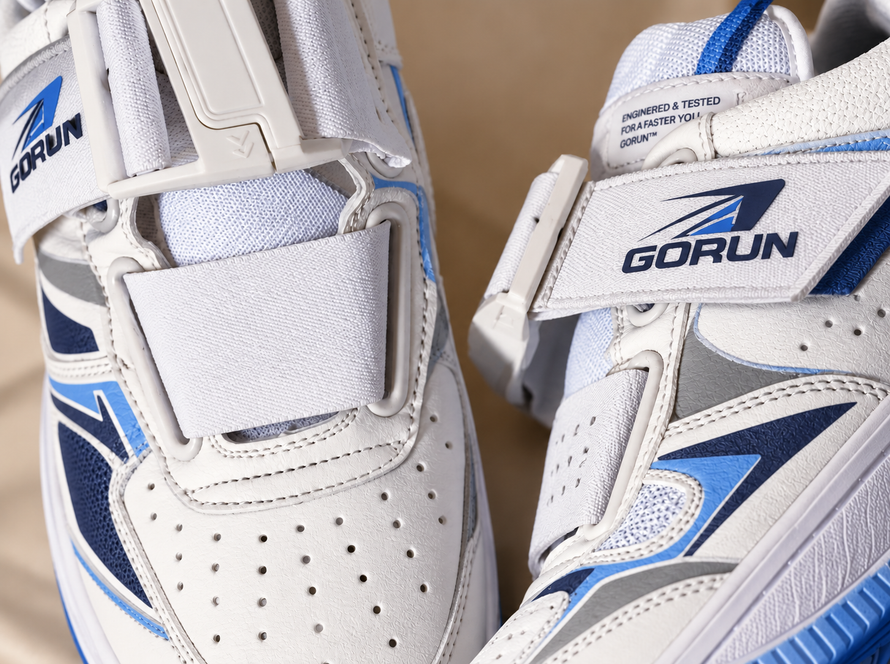
You don’t need a closet full of expensive athletic gear to start running, but comfortable footwear is important.
Running involves repetitive impact, and your shoes should help you move comfortably while providing an appropriate fit.
When choosing your first pair of running shoes, consider:
- Comfort: Shoes should feel comfortable immediately, without painful pressure points.
- Fit: Your toes should have enough room to move naturally.
- Support: Choose footwear that feels stable and suits your running preferences.
- Breathability: Lightweight, breathable materials can help keep your feet comfortable.
- Purpose: Running shoes are generally better suited to regular jogging than casual fashion sneakers.
You don’t necessarily need the most expensive model or the latest technology. A reasonably priced pair of well-fitting running shoes is often sufficient.
If possible, visit a running store where you can try several options.
Beyond footwear, wear comfortable clothing that allows you to move freely. Moisture-wicking shirts, shorts, leggings, and breathable socks can make your runs more enjoyable.
At GORUN, we believe running apparel should support real people and everyday movement, not just professional athletes.
3. Follow a Simple Beginner Running Plan
One of the easiest ways to begin is through a walk-run program.
Alternating walking and jogging allows your body to gradually adapt to the demands of running while keeping your workouts manageable.
Here’s a simple four-week introduction designed for generally healthy adults who can already walk comfortably for 30 minutes.
Your First Four Weeks of Running
| Week | Workout | Frequency |
|---|---|---|
| Week 1 | Walk 2 minutes, jog 1 minute. Repeat 6 times. | 3 days |
| Week 2 | Walk 2 minutes, jog 2 minutes. Repeat 6 times. | 3 days |
| Week 3 | Walk 2 minutes, jog 3 minutes. Repeat 5 times. | 3 days |
| Week 4 | Walk 2 minutes, jog 4 minutes. Repeat 5 times. | 3 days |
Begin every session with five minutes of comfortable walking and finish with another five minutes of easy walking.
Keep at least one recovery day between running sessions.
This is a flexible example, not a mandatory schedule. If a week feels too challenging, repeat it until you’re comfortable. You can also shorten the jogging intervals or spend additional weeks building your walking fitness.
The objective is consistency, not exhaustion.
If you have a heart or lung condition, significant joint problems, concerning symptoms, or another medical reason to limit exercise, seek individualized guidance before beginning.
4. Forget About Speed: Learn to Run Slowly
Many beginners assume running means moving fast.
In reality, one of the most useful skills you can develop is learning to run slowly.
Your early running sessions should feel controlled rather than exhausting.
A simple way to judge your effort is the talk test.
While jogging, try speaking a complete sentence. If you can talk comfortably, you’re probably moving at an appropriate easy intensity. If you’re struggling to say more than a few words, slow down or take a walking break.
You don’t need to chase a particular pace or distance.
Some people naturally jog faster than others. Age, fitness history, terrain, weather, and personal differences all influence running speed.
What matters is finding an effort that allows you to enjoy the experience and gradually build endurance.
At GORUN, we celebrate every pace because movement should never be defined by someone else’s stopwatch.
5. Warm Up Before Every Run
Before you start jogging, give your body a few minutes to prepare.
A warmup gradually increases your heart rate, encourages blood flow to working muscles, and helps you transition into physical activity.
A beginner-friendly warmup might include:
- Five minutes of comfortable walking.
- Gentle ankle movements.
- Easy leg swings while holding a stable support.
- A few controlled marching steps.
- Gradually increasing your walking pace before jogging.
You don’t need a complicated routine.
After your run, walk slowly for several minutes to let your breathing and heart rate settle.
Gentle stretching afterward can feel pleasant, especially if certain muscles feel tight, although stretching alone doesn’t guarantee injury prevention.
The most important thing is to begin gradually and avoid sudden increases in training intensity.
6. Learn to Breathe Naturally
One of the most common beginner questions is: How should I breathe while running?
Some runners prefer breathing through their noses, while others naturally use both their noses and mouths.
There’s no need to force a specific breathing pattern.
As exercise intensity increases, your body needs more oxygen, and breathing through both your nose and mouth may feel more comfortable.
Try these simple techniques:
- Relax your shoulders and upper body.
- Avoid holding your breath.
- Maintain a comfortable, steady rhythm.
- Slow down if breathing becomes difficult.
- Take walking breaks whenever necessary.
If you find yourself gasping for air during every running interval, you’re probably pushing harder than necessary.
Over time, regular aerobic exercise can improve your endurance, making activities that once felt challenging easier to manage.
Stop exercising and seek appropriate medical attention if you develop chest pain, faintness, or unusual or severe shortness of breath.
7. Don’t Run Every Day at the Beginning
Motivation can be powerful when you first start running.
You might feel excited enough to run every morning, especially after completing your first successful workout.
But doing too much too quickly can lead to unnecessary fatigue and overuse injuries.
Your muscles, tendons, bones, and cardiovascular system all need time to adapt.
For most beginners, three nonconsecutive running sessions per week provide a reasonable starting point.
On other days, you can enjoy lower-impact activities such as walking, cycling, swimming, or gentle mobility exercises.
Strength training can also be valuable. Simple exercises such as squats, calf raises, and step-ups can help develop the strength needed for everyday movement and running.
Rest days aren’t wasted days.
They’re part of a balanced training routine that supports long-term progress.
8. Stay Hydrated and Eat for Energy
You don’t need a complicated sports nutrition plan to begin running.
For most short, easy beginner sessions, a balanced diet and normal hydration habits are sufficient.
Drink water regularly throughout the day, and consider having some before and after your workout.
If you’re running in hot or humid conditions, pay additional attention to hydration, weather conditions, and signs of overheating.
Avoid forcing excessive amounts of water.
If you’re hungry before running, a light snack such as a banana, toast, or yogurt may help you feel more comfortable.
After your workout, eat a normal balanced meal containing carbohydrates, protein, and other essential nutrients.
As your running distances increase, your nutritional needs may change. But in the beginning, keep things simple.
Healthy habits matter more than expensive supplements or complicated routines.
9. Make Running a Habit, Not a Temporary Challenge
Starting to run is one thing. Continuing for months and years is another.
The secret to long-term success isn’t endless motivation. It’s creating habits that fit your everyday life.
Choose specific days and times for your workouts.
For example, you might decide to run every Monday, Wednesday, and Saturday morning.
Prepare your clothes and shoes the night before. Choose a convenient location, such as a nearby park, quiet neighborhood street, or walking trail.
Start with realistic goals.
Instead of saying, “I’m going to run 10 kilometers every day,” try:
“I’m going to complete three walk-run sessions this week.”
Small, achievable goals create opportunities for success.
And success builds confidence.
There will be days when you’re tired, busy, or simply not in the mood.
That’s normal.
If you miss a workout, don’t abandon your entire plan. Just return to your routine when you can.
Consistency over time is far more valuable than a few days of intense effort.
10. Find a Running Buddy or Join a Running Club
Running can be a wonderful individual activity, but it can become even more enjoyable when shared with others.
Joining a running community gives you opportunities to meet people, discover new routes, exchange experiences, and stay motivated.
For beginners, this sense of belonging can be especially valuable.
Imagine showing up for your first group run and discovering that everyone isn’t trying to break a speed record.
Some people are walking. Others are jogging slowly. A few are training for races. Everyone has different goals, but they’re moving together.
That’s the kind of community we’re building at GORUN Running Club.
Our vision is to connect people from around the world through a shared passion for movement, health, and friendship.
Whether you’re just starting or have been running for years, there’s a place for you.
Through GORUN Academy, community discussions, beginner-friendly challenges, and opportunities to connect with other runners, we want to make your journey more enjoyable and sustainable.
11. Celebrate Every Milestone
Your first running achievements might seem small compared with completing a marathon, but they deserve recognition.
Maybe you jogged for two minutes without stopping.
Perhaps you completed your first full week of workouts.
Or maybe you finally found the confidence to run outdoors without worrying about what other people think.
These moments matter.
Progress isn’t always measured in miles, minutes, or calories.
Sometimes progress means having more energy during the day, sleeping better, feeling stronger, or looking forward to your next workout.
Consider keeping a simple running journal.
Record the date, approximate duration, how you felt, and something positive about each session.
Over time, you’ll be able to look back and see how far you’ve come.
Don’t underestimate the power of small victories.
12. Set Your First Running Goal
Once you’re comfortable with regular walk-run sessions, consider choosing a goal that excites you.
For many beginners, completing a 5K is a meaningful milestone.
A 5K is approximately 3.1 miles, and many community events welcome participants who alternate running and walking.
You don’t need to complete the entire distance without stopping to enjoy the achievement.
Other goals might include:
- Jogging continuously for 10 minutes.
- Completing three workouts per week for one month.
- Exploring a new running route.
- Joining your first local running group.
- Participating in a community fun run.
- Building enough fitness to enjoy more active weekends with friends or family.
Choose a goal that feels meaningful to you, not one designed to impress others.
The best goal is one that motivates you to keep moving.
13. Remember Why You Started
There will be challenging days.
Some runs will feel effortless, while others may feel surprisingly difficult.
You might experience setbacks, busy schedules, bad weather, or periods when progress seems slow.
That’s part of the journey.
When motivation fades, remember why you wanted to start running.
Maybe you wanted to improve your cardiovascular health, manage stress, spend more time outdoors, meet new people, or simply feel better about yourself.
Running can support all of these goals.
Research consistently associates regular physical activity with important health benefits, including improved cardiovascular fitness, mental wellbeing, and reduced risk of several chronic diseases.
But you don’t have to transform your life overnight.
A healthier lifestyle is built through repeated choices, one day at a time.
And sometimes, the most important achievement is simply putting on your shoes and heading out the door.
Your Running Journey Starts Today
You don’t need to wait until you’re fitter, lighter, faster, or more experienced.
You don’t need expensive equipment, a perfect training schedule, or an impressive running history.
You can begin with a walk around your neighborhood.
Tomorrow, you might walk a little farther.
Next week, perhaps you’ll try jogging for one minute.
And a few months from now, you might look back and realize that something once intimidating has become one of the most rewarding parts of your routine.
At GORUN, we believe running should bring people together, inspire healthier living, and help everyone discover the joy of movement.
You don’t have to be the fastest. You just have to begin.
Join the GORUN Running Club — It’s Free FOR CUSTOMERS!
Ready to take your first step?
Become part of our growing global community of walkers, beginners, and recreational runners.
Discover GORUN Academy, participate in community challenges, share your achievements, and connect with people who believe that every step matters.
Your Pace. Your People. Your Running Club.
Every Body. Every Pace. Every Continent.
JUST GORUN!