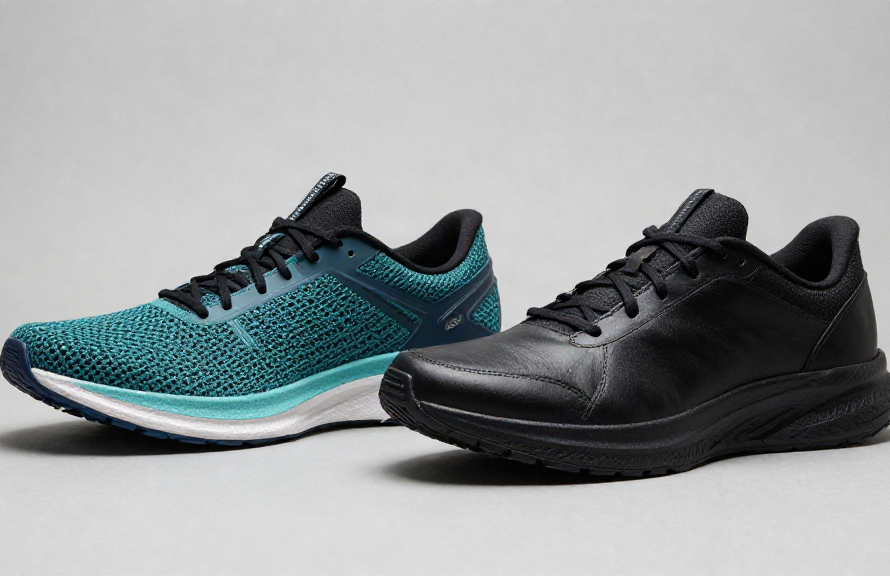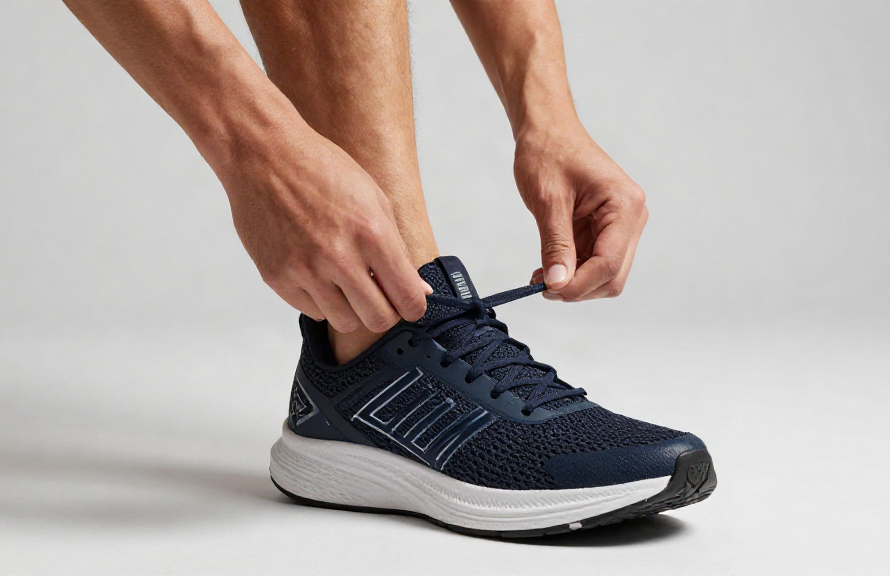


Lace up and one question shows up fast: should you run in a high-top or a low-top sneaker? The answer is not about which one is “better.” It is about which cut matches how you move, where you run, and the way you want your shoes to look when you are not running at all. We live in motion, so we break the high top vs low top sneakers debate down honestly – what each cut actually does, who it serves, and how to choose the pair that keeps you going.
The Short Version
High-tops wrap your ankle for a locked-in, supported feel. Low-tops set your ankle free for a lighter, more natural stride. Most runners who log miles on roads and treadmills reach for a low-top. Runners who want extra stability, cover mixed terrain, hit the gym, or simply love a bold street look often reach for a high-top. Neither is wrong – they just do different jobs.
What High-Top Sneakers Actually Do
A high-top sneaker rises above the ankle collar, adding material and a lacing system that hugs the joint. That extra coverage changes the whole feel of the shoe:
-
Ankle confidence: the collar creates a snug, cradled sensation that many runners read as stability, especially on uneven ground or when changing direction.
-
Lateral support: the raised upper resists side-to-side roll, which helps in the gym, on court surfaces, and during quick cuts.
-
A bolder silhouette: high-tops own more visual space, which is why they have crossed over so completely into street style.
The trade-off is weight and bulk. More material around the ankle can feel restrictive if you want a free, quiet stride over long distances.
Where Low-Tops Win
A low-top sneaker cuts away below the ankle, leaving the joint fully mobile. For day-in, day-out running, that freedom matters:
-
Natural ankle motion: nothing fights your stride, so your foot can flex and roll the way your body wants it to.
-
Lighter feel: less upper means less weight, and in a shoe that matters over every single mile.
-
Breathability: an open, low-profile collar moves more air, which keeps feet cooler on longer, warmer runs.
-
Easy on and off: quick to slip into, easy to pair with anything, and comfortable for all-day wear.
Low-tops are the everyday workhorse for road runners – but they ask more of your ankle and foot strength because they provide less wrap.
Ankle Support: What the Cut Can and Cannot Do
Here is the honest part. The height of the collar does not create an artificial brace, and it will not fully protect the ankle if the shoe does not fit well or your ankle is untrained. What a high-top adds is proprioception – more contact with the joint, which many runners experience as security and control. What a low-top adds is range of motion, which builds and rewards strong ankles over time.
So the real question is not “which supports the ankle?” It is “which feel do I trust on the surface I actually run?”
Stability, Weight, and Breathability Compared
Think in trade-offs, not absolutes:
- Stability: high-top edges ahead for lateral control and mixed-terrain confidence.
- Weight: low-top wins – less material, less to carry.
- Breathability: low-top wins, though mesh-built high-tops stay surprisingly airy.
- Ankle mobility: low-top wins, hands down.
- Locked-in feel: high-top wins for anyone who likes a wrapped, secure fit.
- Versatility: low-top is the easier match for training, casual days, and long runs; high-top is the statement piece.
Which Cut for Which Run
- Road runs and distance: low-top. Light, breathable, and mobile – exactly what a long, steady stride needs.
- Gym sessions and cross-training: high-top. Lateral support and a locked-in feel pay off when you are moving in every direction.
- Trails and mixed terrain: either, depending on confidence. Choose the high-top if you want more wrap underfoot.
- Street and everyday wear: both work, so let the look lead. Bold silhouettes and graphic uppers turn a shoe into part of the outfit.
GORUN Picks Across Both Cuts
We build for both sides of this debate, because the right answer changes with the runner. If you want maximum freedom and a light, breathable ride, reach for the FLY 71 Men’s Black and White Abstract Mesh Sneakers or the BLUWAVER GORUN Unisex Teal Black Abstract Mesh Sneakers – mesh-built low-tops made for road miles and everyday movement.
If you want a bolder profile with more wrap, the Neon Green Black Abstract High Top Sneakers deliver a street-to-track look that stands out before you even take a step. Prefer a mix of performance and personality? The SHARK GORUN SHOES Men’s Blue and Green Athletic Mesh Sneakers and the Evil555 GORUN Black and Red Wave Print Mesh Sneakers pair everyday comfort with an eye-catching graphic upper, while runners who want something sharper can lean into the leather finish of the REX-LOB GORUN Leather Sneakers.
How to Choose in Three Questions
- What do you actually do in them? If distance and roads dominate, go low-top. If lateral movement, gym work, or mixed ground dominates, go high-top.
- How does your ankle feel? Want more wrap and reassurance? High-top. Want freedom and a natural roll? Low-top.
- How do you want to look? Running is part of your identity, not just exercise – so pick the silhouette you want to be seen in.
The Bottom Line
High-top vs low-top sneakers is not a contest with one winner. It is a choice between wrapped-in support and free-moving lightness – and the best pick is the one that fits the way you run and the way you live. Pick the cut that matches your stride, lace up, and get moving. We are in motion, and there is a pair for every kind of runner.